Metal Roofing on the Gold Coast: What Homeowners Should Know Before Replacing
Replacing a roof is a decision most Gold Coast homeowners make once, maybe twice, in the time they own a property. Roofing on the Gold Coast comes with its own set of considerations, from storm exposure to insurance rules, and metal is one of the most common materials homeowners land on. If you're comparing quotes right now, the two questions that matter most are simple: what will a metal roof replacement actually cost, and whether metal is the right material for your home given the Gold Coast's climate and insurance landscape. Here's what to know before you sign anything.
How Much Does Metal Roof Replacement Cost on the Gold Coast?
Metal roof replacement cost is quoted per square metre and varies based on a handful of factors specific to your property: roof pitch and complexity, the number of valleys and penetrations (skylights, vents, solar mounts), whether the existing roof needs to be stripped back to the frame and the gauge and profile of metal you choose. A simple gable roof on a single-storey home will always price differently to a multi-level roof with dormers or a steep pitch.
Material grade matters too. Colorbond steel sits at a different price point to unbranded or imported metal roofing sheet, and that difference isn't purely cosmetic: it affects corrosion resistance, coating warranty and (as covered below) how your insurer treats the roof after a hail event. Because every roof is different, the only reliable way to get an accurate figure is a physical assessment. Get an accurate quote from our roofing team. We'll assess your current roof and walk through your best replacement options before you commit to anything.
Is Metal Roofing the Best Option for Gold Coast Homes?
For most Gold Coast homes, metal roofing is a strong fit, but "best" depends on your suburb, your roof's exposure and your long-term plans for the property. Metal handles the region's storm season well when it's installed correctly, sheds heavy rain fast and reflects heat better than darker tile options, which matters given how many Gold Coast homes run air conditioning through summer.
The decision gets more nuanced when comparing metal against concrete or terracotta tile, particularly on older homes where the existing structure was built for a heavier roof load. If you're still weighing up materials rather than committed to metal, it's worth stepping back first. For a broader breakdown, our post on common roofing materials should be your first stop before you finalise a material choice.
What Types of Metal Roofing Are Available?
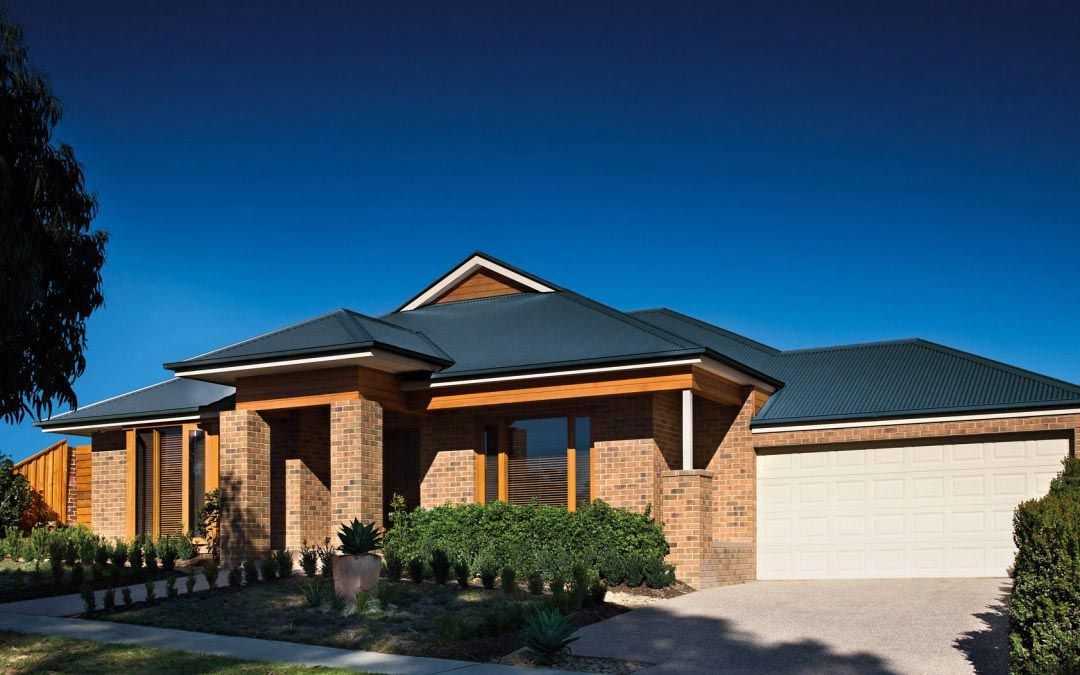
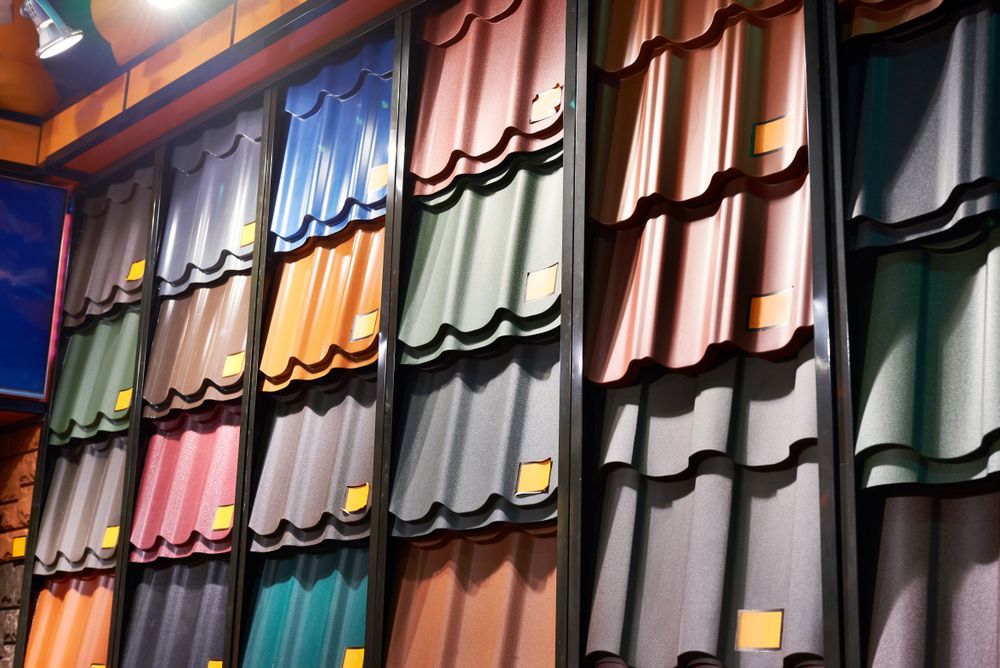
Colorbond roofing is the material most Gold Coast homeowners land on, and for good reason. It's engineered specifically for Australian conditions, comes in a wide colour range that suits both coastal and hinterland aesthetics and carries manufacturer warranties that most insurers and future buyers recognise without question.
There are alternatives too, including Zincalume, unpainted galvanised steel and various imported metal sheet products, and each has a place depending on budget and application. The gap between these options isn't always obvious from a brochure, though. A roofing contractor who works across the region day to day can tell you which grade holds up on a beachside Broadbeach roof exposed to salt air versus a hinterland property in Mudgeeraba dealing with more temperature swing and hail exposure.
The Insurance Detail Most Homeowners Don't Find Out Until It's Too Late
This is the part of the metal roofing decision that rarely comes up in a sales conversation, and it should. If your property sits in one of the Gold Coast's more hail-prone corridors (Nerang, Mudgeeraba and Robina are the ones we see flagged most often), your choice of metal roofing product can directly affect your home insurance.
Some insurers apply higher premiums, stricter excess conditions or tighter claim criteria to non-Colorbond metal roofing once a hail event has occurred. The reasoning is straightforward from the insurer's side: not all metal roofing sheet performs the same way under hail impact, and unbranded or lower-grade product is more likely to dent, denature its coating or require full replacement rather than a partial repair. Colorbond's testing and warranty documentation gives insurers a clearer basis for assessing damage and settling claims.
If you live in or near one of these suburbs, this is worth raising directly with your insurer before you finalise your roofing material, not after a storm rolls through. It's a conversation that costs you nothing and can save a genuine headache down the line. It's exactly the kind of detail a local roofing contractor who's dealt with post-storm claims across these suburbs can walk you through.
What Does the Metal Roof Replacement Process Look Like?
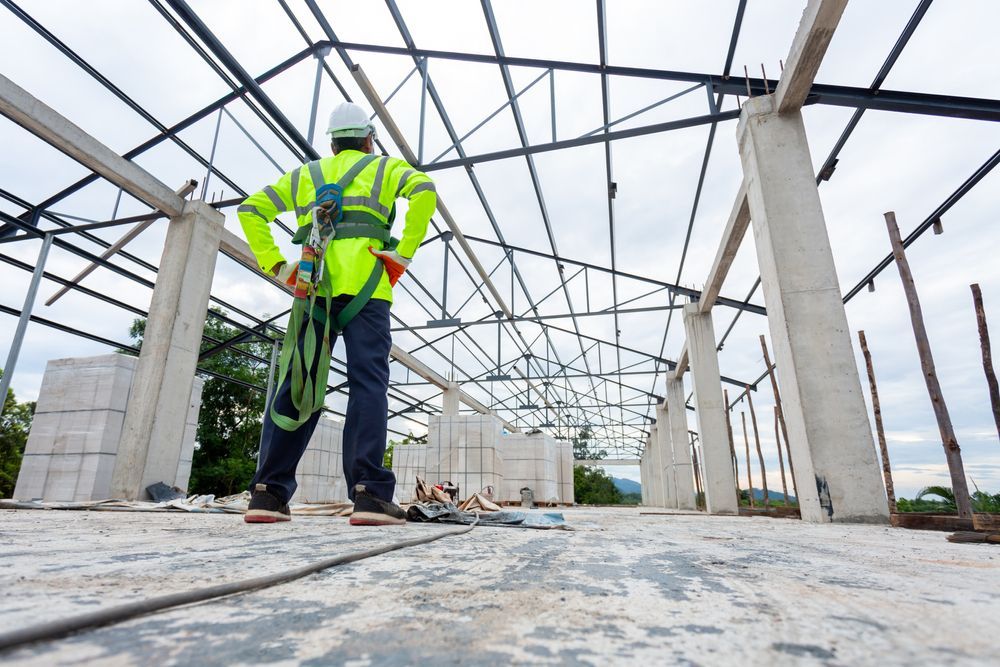
Once you've settled on metal as your material, the physical process follows a fairly consistent sequence: removal of the existing roof (or, on newer structures, sometimes a direct overlay where the frame allows it), inspection and repair of the roof frame and battens, installation of sarking and insulation, then the metal sheeting itself, followed by flashing, guttering and final weatherproofing checks.
Timeframes depend on roof size and weather, since Gold Coast storm season can push a job out by a day or two if conditions turn. Once you've decided on a material, read through our roof replacement process guide so you know exactly what to expect from the first site visit through to final sign-off.
Getting Quotes: What to Ask Your Roofing Contractor
Before you accept a quote, ask three things directly: what specific product and gauge is being quoted (not just "Colorbond" or "metal," but the actual profile and BMT, meaning base metal thickness), what the workmanship warranty covers separately from the manufacturer warranty and how the contractor handles unexpected frame damage discovered once the old roof comes off.
Example scenario: A homeowner in Mudgeeraba gets two quotes for the same-sized roof, and one is significantly cheaper. On closer inspection, the cheaper quote specifies a lighter-gauge, non-Colorbond sheet and excludes frame repair as a line item entirely. The higher quote, while pricier upfront, uses Colorbond and includes a contingency allowance for frame timber replacement. Given the suburb's hail exposure and the insurance implications above, the second quote is the one that protects the homeowner's insurance position, not just their upfront budget.
The Bottom Line
Metal roofing is a genuinely strong choice for most Gold Coast homes, but the right decision depends on your suburb's weather exposure, your insurer's stance on hail-prone areas and the specific product grade behind whatever number is on your quote. Roofing on the Gold Coast is a long-term investment, and getting the material and the insurance detail right upfront saves headaches later. Our residential metal roofing service covers supply and installation across the Gold Coast and Tweed Coast regions. See our roofing Gold Coast page for the full scope of what's included. Before you sign off on a replacement, get a local assessment, ask about Colorbond versus alternative metal sheet and check in with your insurer if you're in a hail corridor like Nerang, Mudgeeraba or Robina.
Frequently Asked Questions
How much does it cost to replace a metal roof on the Gold Coast?
Cost depends on your roof's size, pitch, complexity and the metal product grade you choose. The only way to get an accurate figure is a physical inspection and quote, since two roofs of the same size can price very differently based on structural condition and material choice.
Is Colorbond better than other metal roofing options?
Colorbond is engineered and tested specifically for Australian conditions, and its documented performance standards are widely recognised by insurers, which matters most in hail-prone areas. Alternative metal products can still perform well, but the warranty and insurance backing typically isn't as strong.
Does my choice of roofing material affect my home insurance?
Yes, in some cases. Homeowners in hail-prone Gold Coast suburbs such as Nerang, Mudgeeraba and Robina should check with their insurer, as some providers apply different premium or claims conditions to non-Colorbond metal roofing after hail events.
How long does a metal roof replacement take on the Gold Coast?
Timeframes vary with roof size, complexity and weather, since Gold Coast storm season can affect scheduling. A local contractor can give you a realistic timeline once they've assessed your specific roof.
Can I replace just part of my roof with metal, or does it need to be the whole roof?
This depends on the structure and condition of your existing roof. In some cases a partial replacement or overlay is possible, but a contractor needs to inspect the frame first to confirm it's a suitable approach for your home.
What's the difference between roof replacement and roof restoration?
Roof replacement involves removing and rebuilding the roofing system, addressing structural issues along the way. Roof restoration typically refers to cleaning, repainting or resealing an existing roof without replacing it, a different service to what's covered in this guide.